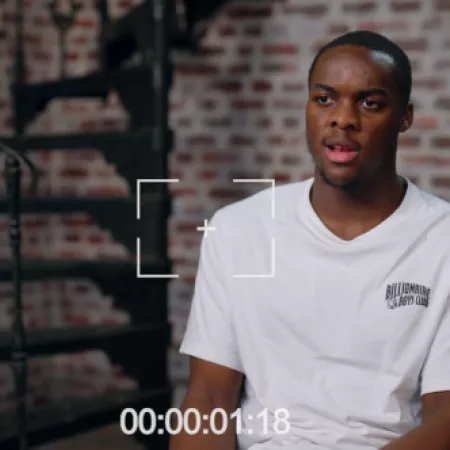
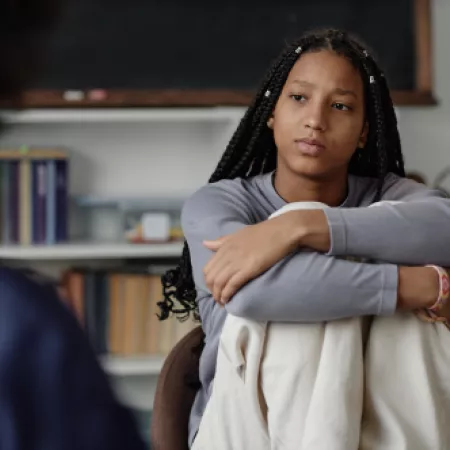
My name is Honey, I'm 17 years old and I live in England with my mum, dad and little sister. I love ice skating and I'm studying Media at college.
Living with epilepsy has been a big part of my life for many years. It hasn't always been easy, but I've learned a lot about myself and found support from people who understand what I'm going through.
Taking Medication for Epilepsy
Over the years, I have tried several different epilepsy medicines to help control my seizures.
I was first prescribed Clobazam, but it caused strong mood swings and made me feel angry and aggressive, so my doctors decided to stop that medication. I also tried Levetiracetam, but my seizures continued. Today, I take Lamotrigine and Briviact, but even with these medicines, my seizures are still not fully controlled.
Briviact has also caused some difficult side effects, including hallucinations.
"I've been on four different medications."
Finding the right medication can take time, and every person with epilepsy is different. Although my medicines haven't stopped my seizures completely, they have helped my doctors understand which treatments work best for me and what steps to take next. Because several medications haven't been successful in controlling my seizures, my doctors have now referred me for assessment as part of the epilepsy surgery pathway.

Considering Epilepsy Surgery
Because several medications haven't been able to control my seizures, my doctors have decided to see if brain surgery could help control my seizures.
This is a new step in my epilepsy journey, and while it can feel a little scary, talking to other young people who have gone through the process has helped me feel more confident.
"I've spoken to other people that have gone through the brain surgery process and that's definitely made me feel a lot more confident."
Living with Epilepsy as a Teenager
Epilepsy can affect everyday life in ways that other people might not always notice.
One of the biggest challenges for me is not being able to drive. I also have to think about things like carrying emergency medication and making sure friends know what to do if I have a seizure.
"Driving is definitely a massive one."
Sometimes it can feel frustrating having to think about these things all the time, but I've learned that being prepared is important.
Support from My Family and Teachers
Having supportive people around me has made a huge difference.
When I was younger, my first school didn't really understand epilepsy. People often focused on the seizures themselves and didn't understand how tired I felt afterwards or how medication side effects affected me.
Later, I moved to a different school where the teachers were much more supportive. If I had a seizure before school, they gave me time to rest before going into lessons.
"My teachers were really supportive."
During my GCSEs, stress could sometimes trigger my seizures, so the school made adjustments to help me. Instead of sitting exams in a large hall, I was able to take them in a smaller room. After exams, I could go home and rest if needed.
My family have always been there for me as well. They know what to do when I have a seizure and how to support me afterwards.
"My family are really supportive and they're always there whenever I have my seizures."
Finding Support with Young Epilepsy
My neurologist first told me about Young Epilepsy. At the time, I wasn't sure about getting support because I didn't like talking about my epilepsy.
"I didn't like talking about my epilepsy and I would always try and avoid it.”
I started one-to-one sessions and, over time, I found them really helpful. The sessions weren't too serious and helped me feel comfortable talking about my experiences.
Later, I joined Young Epilepsy youth groups. Meeting other young people with epilepsy helped me realise I wasn't alone. Being able to share experiences and talk with people who understand what it's like has made a big difference.
"It makes you realise that there are other people that you can obviously talk to."
Now I feel much more confident talking about epilepsy and connecting with others who have similar experiences.
Looking Forward
Today, I'm feeling more positive about the future.
Talking to other young people with epilepsy has helped me build confidence and understand that I'm not facing these challenges on my own. I know there are people I can turn to for support, advice and encouragement.
I'm also giving back by supporting Young Epilepsy. My partner is planning to take part in a charity skydive to raise money so that more young people can get the help they need.
If I could give one piece of advice to another young person who has just been diagnosed with epilepsy, it would be to talk to other people who understand.
"It would be really important for them to be able to speak to other people so that they do feel more confident."
Epilepsy is part of my life, but it doesn't stop me from making plans, studying what I love and looking forward to the future.